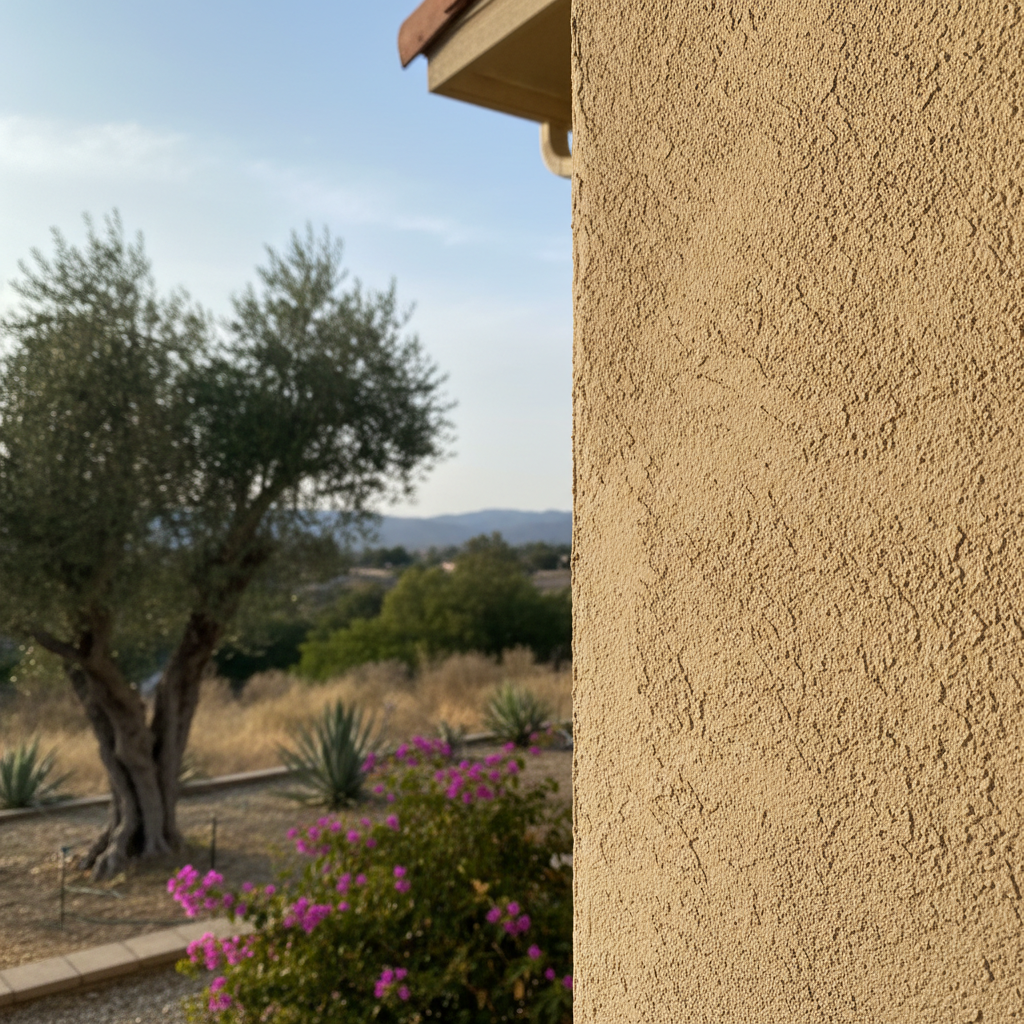
Why does my stucco crack, and how serious is it?
Cracks in stucco are probably the most common thing folks call me about. Look, stucco is a rigid material, and houses move. It's just a fact of life, isn't it? You'll often see hairline cracks, especially around windows and doors, or where different materials meet. Those usually aren't a big deal structurally; they're often just cosmetic and happen because the house settles a bit or expands and contracts with our Riverside weather – hot days, cooler nights, it all plays a part. Think of it like a fine line on a piece of pottery.
Now, if you're seeing bigger cracks, say, wider than a credit card, or cracks that run diagonally from a corner, or horizontal cracks that seem to follow a line, that's when you really need to pay closer attention. Those could point to something more serious, like structural movement, foundation issues, or even water damage hiding behind the stucco. Don't ignore those. Give us a call at Riverside Stucco & Plastering, and we can come take a look. It's always better to catch these things early.
How do I clean my stucco without damaging it?
Cleaning stucco is pretty straightforward, but you gotta be careful. The biggest mistake I see people make is blasting it with a high-pressure washer. That's a big no-no. A powerful stream can actually erode the finish, push water behind the stucco, and cause more problems than it solves. You definitely don't want to compromise that barrier.
For most dirt, dust, and spiderwebs, a garden hose with a spray nozzle and a soft-bristle brush is usually enough. You can mix a little mild detergent, like dish soap, into a bucket of water. Apply it, let it sit for a few minutes to break down the grime, then gently scrub and rinse thoroughly. For stubborn mildew or algae, especially on north-facing walls that don't get as much sun, a solution of one part bleach to three parts water can work. Just make sure to rinse really well afterwards, and maybe test it on an inconspicuous spot first to make sure it doesn't discolor anything. Always rinse from the top down to avoid streaks.
Can I repair stucco myself, or should I always hire a pro?
For small, hairline cracks or minor dings, you can absolutely do some DIY repairs. There are patching compounds available at home improvement stores that are pretty easy to use. Just make sure you clean the area thoroughly, apply the patch, and try to match the texture as best you can. It takes a bit of practice to get it seamless, but for small stuff, you can usually make it look decent.
However, if you've got larger holes, significant cracking, or if you suspect water damage, that's when you really need to call in the pros. Stucco repair isn't just about slapping some mud on the wall; it's about understanding the underlying structure, making sure water drains correctly, and matching the texture and color so the repair doesn't stick out like a sore thumb. Plus, if there's water intrusion, you need someone who knows how to fix the source of the leak and repair any damage behind the stucco system. Trying to DIY a major repair can often lead to bigger, more expensive problems down the road. Trust me on this one.
How long does stucco typically last in our Riverside climate?
Good quality stucco, properly installed, can last a really long time – I'm talking 50 to 100 years or more. It's one of the most durable siding materials out there, especially for our dry, hot climate here in Riverside. You don't get the same rot issues you might see with wood in wetter areas, for example.
That said, its longevity depends heavily on a few factors: the quality of the original installation, how well it's been maintained over the years, and whether it's suffered any significant damage from things like impact or prolonged water exposure. If you've got a house built in the 60s or 70s in areas like Victoria Avenue or the Canyon Crest neighborhood, chances are the stucco is still in great shape, maybe just needing a fresh coat of paint or some minor patching. Regular inspections and addressing small issues quickly are key to getting the maximum life out of your stucco.
What are the signs of water damage behind stucco?
This is a big one, and it's something you really need to be vigilant about. Water intrusion behind stucco can lead to serious problems like wood rot, mold growth, and structural damage that can be very costly to fix. The tricky part is that you often don't see the damage until it's pretty advanced.
Here are some red flags: staining or discoloration on the stucco, especially below windows, at the base of walls, or near rooflines. Soft spots or bulging in the stucco itself – if you press on it and it feels spongy, that's a bad sign. You might also see efflorescence, which is a white, powdery residue, indicating moisture is moving through the material. Inside your home, look for water stains on interior walls or ceilings, peeling paint, or a musty odor. If you notice any of these, don't wait. Get a professional stucco contractor to inspect it immediately. We've seen too many cases where a small leak turned into a huge repair bill because it was ignored.
How often should I inspect my stucco?
I tell folks to do a quick visual check of their stucco at least once a year, maybe twice. It doesn't take long. Just walk around your house, take a good look at all the walls. Pay close attention to areas around windows, doors, rooflines, and where any pipes or vents penetrate the stucco. Those are common spots for issues to start.
Look for any new cracks, especially larger ones, discoloration, bulging, or anything that just looks 'off.' After a heavy rain, it's also a good idea to check for any persistent wet spots or streaks. If you see anything concerning, or if it's been a few years since a professional looked at it, it's worth having a stucco expert come out for a more thorough inspection. We can spot things you might miss and give you peace of mind. It's like getting your car checked; a little preventative maintenance goes a long way in avoiding major breakdowns.